
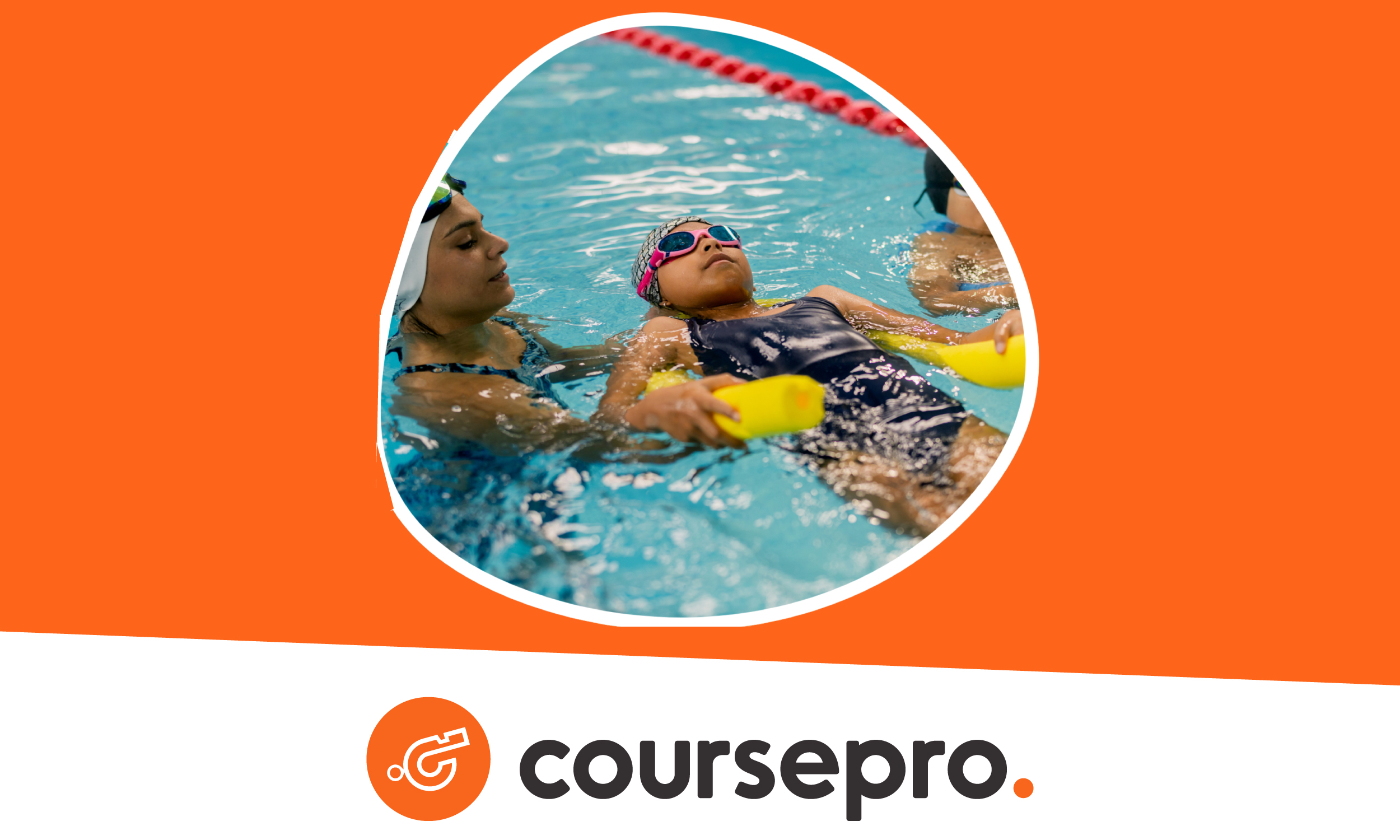
School swimming plays a critical role in children’s water safety, physical development and confidence. Yet despite widespread provision across primary schools, one in three children in the UK still leaves primary school unable to swim 25 metres.
That statistic is not about effort.
It is about visibility.
Imagine This From a Child’s Point of View…
Before systems, reports and processes, imagine the child.
The one who turns up every week but still feels unsure in the water.
The one who can float but panics when their feet leave the floor.
The one who can swim a length on a good day but not every time.
The one marked present but not really seen.
Now imagine asking that child a simple question.
Can you swim?
Not did you attend.
Not did you try.
But can you actually do it.
From a teacher’s point of view, they want to help.
From a school’s point of view, they want confidence.
From a parent’s point of view, they want safety.
From a child’s point of view, they just want to be understood.
That is why tracking matters.
Guessing Isn’t the Same as Knowing
Too often, schools and operators rely on attendance records, spreadsheets and end-of-term reports to judge progress. But attendance is not evidence and guessing is not safeguarding.
When progress lives in different places, across different teams and venues, no one has the full picture. And when no one has the full picture, assumptions creep in.
Assumptions feel harmless. They are not.
Why Progress Tracking in School Swimming Matters
Effective school swimming programmes should be able to answer three simple questions at any point in time:
- Can this child swim 25 metres confidently and proficiently?
- Can they perform self-rescue in different water-based situations?
- Are they using a range of strokes effectively, including front crawl, backstroke and breaststroke?
If those answers rely on memory or opinion rather than data, there is a risk. Educationally and in terms of child safety.
The Problem With Manual School Swimming Administration
Across the UK, many school swimming programmes still depend on:
- Manual pupil lists
- Spreadsheets shared by email
- Attendance registers without linked assessments
- End-of-term summaries created after delivery
These methods create fragmented data, especially for multi-site operators working with multiple schools. When information is spread across inboxes, documents and systems, no one has a complete or current view of a child’s progress.
For compliance and inspection, this matters. Evidence of learning must be accurate, traceable and current.
Why End-of-Term Reporting Is Too Late
Learning to swim is progressive. Skills develop lesson by lesson, not in hindsight.
When progress is only reviewed at the end of term:
- Gaps are identified too late
- Teachers miss opportunities to adapt learning
- Children lose timely support
- Reporting becomes reactive, not instructional
Real-time progress tracking allows:
- Live assessment during sessions
- Ongoing visibility of skill development
- Clear insight into average time to complete swim stages
- Earlier intervention and better learning outcomes
This is not about adding admin. It is about removing it.
Stronger School Relationships Start With Better Systems
For leisure trusts, swim schools and operators delivering school swimming across multiple venues, consistency is one of the biggest challenges.
Different schools often mean different pupil lists, different reporting expectations and different communication processes.
A connected approach helps by:
- Providing a dedicated portal for each school
- Allowing schools to upload and manage their own pupil data
- Keeping attendance, progress and reporting consistent
- Scaling easily across multiple sites
When schools can help themselves, operator teams spend less time chasing information and more time focusing on delivery.
Safety Does Not Stop at the Pool
Protecting children does not end when they leave the water.
Swimming data is sensitive. It should not be:
- Floating around inboxes
- Printed on sheets at reception
- Shared without clear controls
A modern school swimming system must be built with data protection in mind, including:
- Role-based access
- GDPR-safe design
- Clear control over who can view, update and report on data
Keeping children safe means protecting how they learn and how their information is handled.
Preparing for the Summer Term in School Swimming
The Summer term brings more schools, more pupils and more pressure.
If school swimming is still managed through spreadsheets and manual processes, those pressures increase fast.
Being ready means:
- Clear, real-time visibility of progress
- Confidence in reporting and compliance
- Stronger relationships with schools
- Less admin every term
Most importantly, it means focusing on what really matters. Children learning to swim safely and confidently.
Track What Matters in School Swimming
If you are already using CoursePro, the new School Swimming feature helps you move away from guesswork and towards clarity.
It supports:
- Real-time progress tracking
- Evidence-based assessment
- Secure, GDPR-compliant data management
- Scalable delivery across multiple schools and sites
Ready to Track What Matters?
If you want to be fully prepared for the Summer term, now is the time to act.
👉 Book a Discovery Session today and be ready for the new term